What PrEP Actually Looks Like Day to Day
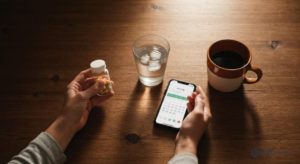
Most people who start PrEP for HIV prevention expect a dramatic shift. What they describe instead is something quieter: a pill with breakfast, a calendar reminder, a quarterly check-in that includes STI Testing, and a slow loosening of the anxiety they used to carry into every new relationship.
That gap, between what people fear PrEP will feel like and what it actually feels like, is the most useful thing to talk about. So we pulled together honest accounts shared publicly by PrEP users in interviews, advocacy campaigns, and patient education projects, and paired them with practical guidance from clinicians who prescribe it every day. If you live in Chester, Sharon Hill, Eddystone, or Reading and you’re weighing whether PrEP fits your life, this is the conversation you probably wish you could have over coffee.
A quick grounding: PrEP is a daily (or, for some people, on-demand) medication that, when taken as prescribed, reduces the risk of getting HIV from sex by about 99%, according to the CDC. It does not protect against other sexually transmitted infections, which is why routine screening stays part of the picture. Everything else (the rhythm, the side effects, the relationships, the cost) is what users themselves have the most to say about.
The First Three Months Are the Hardest, and Then They Aren’t
Almost every PrEP user who speaks publicly about their experience says some version of the same thing: the first eight to twelve weeks are an adjustment, and after that, the medication mostly disappears into the background of life.
In a CDC-supported patient story shared through the Let’s Stop HIV Together campaign, a young man named Dontá described starting PrEP after losing a friend to HIV. He talked about the mental work of the first month (remembering the pill, sitting with mild nausea, telling one trusted friend) more than any physical symptom. By month three, he said, taking it felt like brushing his teeth.
Clinicians hear this pattern constantly. Early side effects, when they happen at all, tend to be mild stomach upset, headache, or fatigue, and they usually fade within a few weeks. Bloodwork at the three-month visit is the other big milestone: it confirms kidney function is steady and that HIV and other STIs are still in check. People often say that first clean follow-up is when PrEP stops feeling like a decision they have to keep making and starts feeling like a tool they own.
Practical tips users repeat most often
- Anchor the pill to something you already do. Morning coffee, brushing teeth, feeding a pet. Willpower fails; habits don’t.
- Take it with food if your stomach is sensitive in the first few weeks.
- Keep a small backup supply in a bag or at a partner’s place if you travel or stay over often.
- Don’t white-knuckle side effects in silence. Call your prescriber. Most issues have a simple fix.
Why Users Say STI Testing Is the Underrated Part of PrEP
The single most common thing people on PrEP wish they’d understood earlier is this: PrEP is one layer of protection, not the whole roof. It is highly effective against HIV. It does nothing for gonorrhea, chlamydia, syphilis, or hepatitis. That’s not a flaw in PrEP. It’s the reason routine STI Testing is built into every follow-up visit.
Users describe this in surprisingly positive terms. A woman interviewed for a Greater Than HIV awareness series said the quarterly screening was the first time she felt sexual health care was something done with her rather than to her. Catching a treatable infection early, before symptoms, before passing it on, started to feel like a normal part of taking care of herself, the way someone with high blood pressure checks their numbers.
That reframing matters, especially for readers who grew up with sex education built on shame. A positive STI result on PrEP is not a moral verdict. It’s information that leads to a short course of treatment and a conversation with partners. Most bacterial STIs are curable. Many viral ones are manageable. Knowing is always better than guessing.
If routine screening hasn’t been part of your care before, ACG Health offers confidential testing as part of Our Services across Delaware and Berks Counties, regardless of insurance status or ability to pay.
How People Talk to Partners About Being on PrEP
The conversation people dread most isn’t with their doctor. It’s with a date, a long-term partner, or a parent. And the script varies wildly depending on who’s listening.
Gay and bisexual men who’ve spoken publicly about PrEP, including those featured in the New York City Health Department’s Play Sure campaign, often describe it as a fairly normal part of dating now: mentioned on apps, brought up before sex, framed as a sign of someone who takes their health seriously. Transgender users, particularly trans women, often add another layer: choosing a provider who understands hormone therapy and won’t make them explain their identity from scratch.
Cisgender women on PrEP, a group whose stories are still rarely told, frequently describe the hardest conversation as the one with family. A woman in a serodifferent relationship (where one partner is living with HIV and the other is not) told a Well Project storyteller series that her mother’s first reaction was confusion, then fear, then, after a long talk, pride that her daughter had taken charge of her health.
What tends to land in these conversations
- Lead with the why, not the pharmacology. “I want us to feel safe” beats a lecture on tenofovir every time.
- Offer a short, clear fact. Taken as prescribed, PrEP lowers the risk of getting HIV from sex by about 99% (CDC).
- Let the other person have feelings. Surprise isn’t rejection. Most people come around once they have a minute.
- You don’t owe everyone the conversation. Your boss, your cousin, your roommate: none of them are entitled to your medical chart.
Cost, Insurance, and the Myth That PrEP Is Only for People With Good Coverage
One of the loudest barriers in published patient stories isn’t medical. It’s financial, or rather the assumption of a financial barrier that turns out not to exist.
People interviewed for HIV.gov’s blog and for state health department campaigns repeatedly describe walking into a clinic expecting a bill they couldn’t afford and walking out with a prescription that cost them nothing. Several federal and manufacturer assistance programs exist specifically to cover PrEP medication, lab work, and clinic visits for people who are uninsured or underinsured. The details change over time, so the honest advice is: don’t self-disqualify. Ask.
This matters especially in Southeastern Pennsylvania, where a meaningful share of adults are uninsured, underinsured, or working jobs that don’t include comprehensive health benefits. ACG Health is a nonprofit 501(c)(3) clinic with more than 25 years of community trust in Chester, Sharon Hill, Eddystone, and Reading. Care is provided regardless of insurance status or ability to pay. That is not marketing language. It is the operating model.
If you’ve been putting off a PrEP conversation because you assumed it wasn’t financially possible, that assumption is worth testing. A single phone call can resolve it. You can Contact Us to ask what enrollment looks like before you ever commit to a visit.
What Users Wish They’d Known Before Starting
Across dozens of published PrEP stories (on HIV.gov, in The Well Project’s A Girl Like Me blog, in PleasePrEPMe interviews, and in CDC patient features), a few regrets come up over and over. Not regrets about taking PrEP. Regrets about waiting.
People talk about months, sometimes years, of low-grade anxiety after sex. Of avoiding new relationships. Of testing obsessively and still not sleeping well. The shift they describe after starting PrEP is less about sex and more about mental load: one less thing running in the background.
A few other lessons that show up across stories:
- On-demand PrEP (the 2-1-1 method) is an option for some cisgender men who have sex with men, but it is not appropriate for everyone. Daily PrEP remains the standard for most users, including women and trans people. This is a conversation for your provider, not the internet.
- Long-acting injectable PrEP exists and is changing what daily adherence looks like for people who struggle with pills. Availability varies. Ask whether it’s an option where you receive care.
- PrEP does not weaken your immune system, cause infertility, or stay in your body forever. These are persistent myths. If you stop PrEP, your provider will guide a safe wind-down.
- Mental health and PrEP are connected. Several users describe their PrEP visit as the first regular medical appointment they’d had in years, which surfaced anxiety, depression, or substance use concerns that finally got addressed.
None of this requires a perfect life. It requires a provider who treats you like a whole person and a clinic you can actually get to.
The Honest Bottom Line From People Who Live It
When PrEP users are asked what they’d tell someone still on the fence, the answer is rarely about HIV statistics. It’s about a kind of freedom: the freedom to date without dread, to be in a serodifferent relationship without fear shaping every choice, to walk into a clinic and be met without judgment. PrEP isn’t the whole story of sexual health, but for a lot of people, it’s the part that finally let the rest of the story start.
This article is educational and not a substitute for personalized medical advice. PrEP, STI Testing, and other sexual health decisions depend on your individual history and goals. Please talk with a qualified healthcare provider, or with the team at ACG Health, about what’s right for you.
If you live in Chester, Sharon Hill, Eddystone, or Reading and you’re curious whether PrEP for HIV Prevention fits your life, ACG Health is here. Care is confidential, stigma-free, and provided regardless of insurance status or ability to pay. Make an Appointment online, or call (610) 586-4300 to talk with someone today. No pressure. No judgment. Just a next step, whenever you’re ready.
Questions People Ask Before Starting PrEP
Q: How quickly does PrEP start working?
A: Timing depends on the type of sex and the medication you’re prescribed. The CDC notes that daily oral PrEP reaches maximum protection for receptive anal sex at about 7 days and for receptive vaginal sex and injection drug use at about 21 days. Your prescriber will give you specific guidance based on your situation.
Q: Do I still need condoms if I’m on PrEP?
A: PrEP protects against HIV. It does not protect against other STIs like gonorrhea, chlamydia, syphilis, or hepatitis. Condoms remain a useful layer for those, and regular STI Testing every three months while on PrEP catches anything early.
Q: Will my employer or family find out I’m on PrEP?
A: Your medical care is confidential. PrEP appears on a prescription record the same way any other medication does, and your provider cannot share details with family, employers, or partners without your consent. If privacy is a specific concern, raise it at your first visit. There are usually workable options.
Q: What happens at a typical PrEP follow-up visit?
A: Most follow-ups happen every three months and include a brief check-in about how you’re doing, an HIV test, screening for other STIs, kidney function bloodwork as needed, and a refill. Visits are usually short. Many users describe them as the easiest medical appointments they have.
Q: Can I start PrEP if I’m uninsured?
A: Yes. Federal assistance programs, manufacturer support, and nonprofit clinics like ACG Health make PrEP accessible to people without insurance. Don’t assume you can’t afford it before you’ve asked. A short phone call can clarify what’s available to you.
 GO BACK